 Search
 Account
 Discord


Pokemon Go Big Horn Wyrdeer was introduced during special Raid Day events, allowing trainers to encounter this Normal and Psychic-type Pokémon by participating in these raids, either in person or via remote raid invitations. It first made its debut during the Winter Wonderland event in December 2023, and later appeared in 3-star Raids, such as from August 12, 2024, to August 21, 2024. During these appearances, Wyrdeer was featured alongside other raid bosses.
Trainers aiming to add a special variant to their collection can also find Shiny Wyrdeer, which was released with Wyrdeer’s initial debut. The initial shiny rate for Wyrdeer was reported to be 1.67%, and Raid Day events typically boost the odds of encountering a shiny, with some trainers sharing experiences of obtaining a shiny after multiple raids.
Understanding Wyrdeer’s Capabilities: Stats and Moves
To make the most of Wyrdeer in battles, it’s important to understand its base stats, moveset options, and how it functions in different battle formats. As a 3-star raid boss in Pokémon GO, Pokemon Go Big Horn Wyrdeer comes with a Combat Power (CP) of 16,772, which reflects its moderate difficulty level for trainers looking to challenge it.
In its individual form, Wyrdeer has an Attack stat of 206, a Defense stat of 145, and a Stamina stat of 230. When encountered outside of raids and powered up to its full potential, Wyrdeer can reach a maximum CP of 3,089. With a Buddy Boost, which temporarily increases its CP during certain activities like raids or Gym defense, its max CP increases slightly to 3,126.
In battle, Wyrdeer has access to a variety of moves that can be tailored to different scenarios. For Fast Attacks, Wyrdeer can learn Confusion, Zen Headbutt, and Tackle. Confusion stands out as the most effective option among these, especially in Player vs. Player (PvP) battles. It is a 4-turn Psychic-type move that hits hard and generates a decent amount of energy, making it a solid choice for sustained offensive pressure.
Zen Headbutt, while thematically fitting as another Psychic-type move, is generally less favored due to its lower energy gain and slower execution. Tackle, a Normal-type move, can be useful in certain limited scenarios but is typically outclassed by Confusion due to the lack of type effectiveness and lower energy return.
Wyrdeer’s Charged Attack options give it a flexible toolkit. These include Stomp, Psychic, Megahorn, and Wild Charge. Stomp is a quick-charging Normal-type move with modest damage, often used to bait shields in PvP. Psychic is a reliable same-type (STAB) move that benefits from Wyrdeer’s Psychic typing, dealing consistent damage and having a chance to lower the opponent’s Defense stat. Megahorn, a Bug-type move, is particularly useful for coverage against Dark-type Pokémon, which are resistant to Psychic moves and commonly used in PvP metas. Wild Charge, an Electric-type attack, deals high damage but lowers the user’s Defense by one stage, which requires careful timing and positioning, particularly in PvP matches.
Trainers who want to increase Wyrdeer’s versatility in battles can unlock a second Charged Attack by spending 75 Candy and 75,000 Stardust. This investment allows Wyrdeer to be more flexible and dangerous in both PvP and PvE encounters, enabling it to deal with a broader range of opponents. This dual-Charged Attack setup is especially beneficial in formats like the Great League and Ultra League, where varied coverage and baiting options can make a significant difference in performance.
While Wyrdeer may not be a top-tier contender in every competitive setting, understanding its stats and selecting the most suitable moves can allow it to play a valuable role in battle, particularly as a niche closer or surprise pick in PvP formats.
Wyrdeer in the Arena: PvP Performance
Wyrdeer can be a compelling option for trainers looking to diversify their teams in Pokémon GO PvP, especially in the Great League and Ultra League. With its balanced stat distribution and unique Normal and Psychic typing, Wyrdeer has the potential to serve as an effective closer in many battle scenarios. Unlike glass-cannon attackers that rely solely on offense, Wyrdeer brings a respectable level of bulk, allowing it to stay in battle longer and capitalize on advantageous matchups. This combination of survivability and offensive power makes it a valuable pick in certain team compositions, particularly when used with a strategy that leverages shield advantage.
Wyrdeer’s performance tends to shine when it has a one-to-zero shield advantage, where it can deliver heavy damage without being easily countered. Its optimal moveset for PvP includes Confusion as the Fast Attack, paired with Wild Charge and Megahorn for Charged Attacks. Confusion, while slower due to its 4-turn duration, hits hard and generates energy at a reasonable pace, enabling Wyrdeer to pressure opponents and build toward its powerful Charged Attacks.
Wild Charge delivers 100 base damage but comes with a drawback—it lowers Wyrdeer’s Defense by one stage. When timed well, however, this self-debuff can be managed, especially in endgame scenarios where the opponent has fewer options. Megahorn, a Bug-type move with 110 base damage, provides crucial coverage against Dark-types, which are a common threat to Psychic-types like Wyrdeer.
While Wyrdeer lacks Same-Type Attack Bonus (STAB) on either of its Charged Attacks in this configuration, their raw power and strategic utility make them worthwhile. Megahorn can flip certain matchups in Wyrdeer’s favor, particularly when facing Dark-types that would otherwise dominate it. Wild Charge adds Electric-type coverage, which can be especially useful in targeting Water or Flying-type opponents that might be common in league play.
Comparing Wyrdeer to other Pokémon with similar typing, such as Oranguru and Girafarig, reveals situational strengths. Oranguru offers more consistent performance in even-shield scenarios due to its access to moves like Foul Play and its superior ability to manage shields and energy. Wyrdeer, on the other hand, can outperform Oranguru when it holds the shield advantage, especially due to its more aggressive moveset. This dynamic suggests that while both Pokémon share a typing, they serve different strategic roles depending on team synergy and battle conditions.
In Ultra League, Wyrdeer’s usage becomes more niche. Its CP cap allows it to compete, but the pool of opponents is broader and features many powerful Dark, Steel, and Ghost-types that can pose serious challenges. In particular, Dark-types such as Umbreon, Mandibuzz, and Obstagoon resist Wyrdeer’s primary damage source and can outlast it in prolonged fights. To succeed in Ultra League, Wyrdeer must be carefully shielded and brought in under the right conditions—ideally late-game situations where key threats have already been neutralized or weakened.
Ultimately, Wyrdeer’s effectiveness in PvP is tied to proper team building, strategic deployment, and shield management. While it may not dominate the meta, it offers a blend of bulk, power, and unpredictability that can catch unprepared opponents off guard and secure victories in the right hands.
Facing Wyrdeer: PvE Raid Battles
When facing Wyrdeer as a 3-star raid boss in Pokémon GO, choosing the right counters and understanding its type matchups are essential for a smooth and efficient victory. Wyrdeer’s dual Normal and Psychic typing gives it a fairly unique set of strengths and vulnerabilities. It is weak to only two types—Bug and Dark—while resisting Ghost and Psychic-type attacks. Specifically, Wyrdeer takes 62.5% reduced damage from both Ghost and Psychic moves, making those options inefficient when planning a raid team.
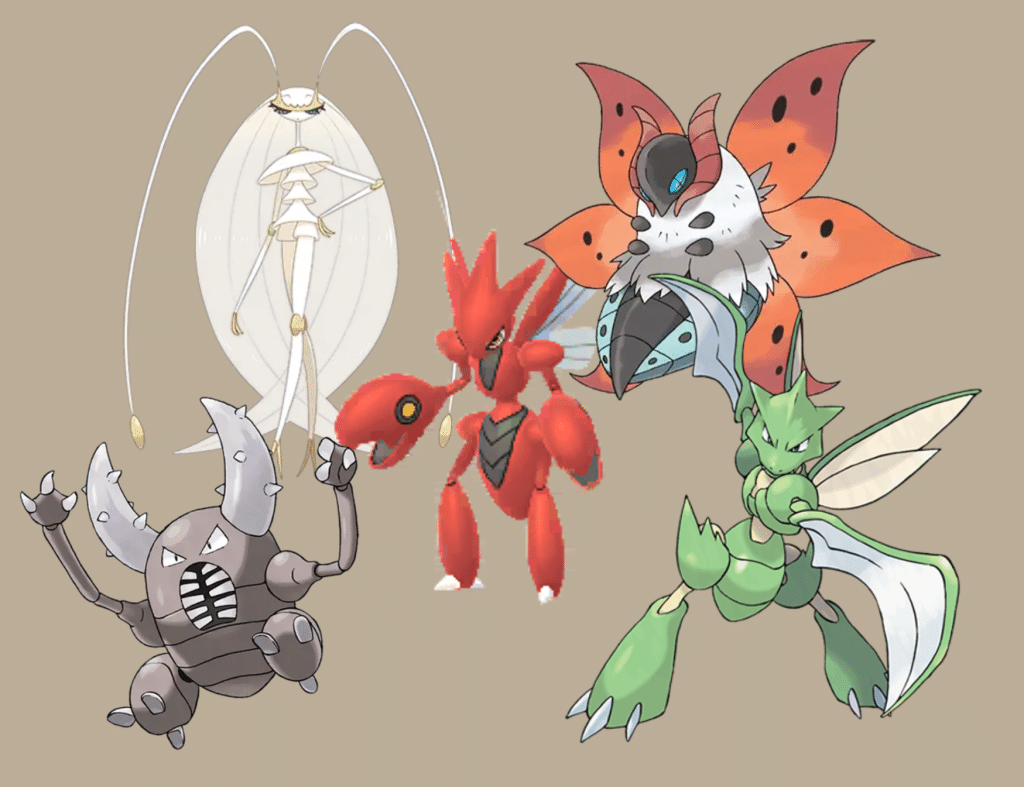
To exploit Wyrdeer’s weaknesses, trainers should prioritize Bug and Dark-type attackers, especially those with strong offensive stats and powerful moves. Among Bug-type Pokémon, Pheromosa stands out for its high Attack stat, although its fragility means it needs to be used strategically. Volcarona is another excellent Bug-type attacker that combines offensive strength with decent bulk. Shadow variants of Pinsir, Scizor, and Scyther offer boosted damage output, particularly with Bug-type Charged Attacks like X-Scissor and Bug Buzz. Mega Evolutions further amplify raid efficiency, and Mega Pinsir, Mega Scizor, and Mega Beedrill are among the top Bug-type Megas, boosting both their own damage and that of other Bug-type teammates.
Dark-type attackers are equally effective and offer more durability in many cases. Shadow Tyranitar, Shadow Weavile, and Shadow Houndoom are some of the most aggressive Dark-type choices available, thanks to their high DPS potential. Hydreigon and Darkrai are also top-tier raid counters due to their strong Dark-type movesets and balanced stats. Other solid options include Shadow Honchkrow, Shadow Absol, and Yveltal, which provide additional versatility. For trainers who can access Mega Evolutions, Mega Tyranitar, Mega Houndoom, Mega Absol, Mega Gyarados, and Mega Gengar can significantly enhance the raid party’s overall damage output by boosting Dark-type damage across the team.
With a properly optimized team using these Bug and Dark-type attackers, Wyrdeer becomes a relatively manageable raid boss. In fact, under favorable conditions and with top-tier counters, experienced trainers can even solo Wyrdeer, particularly if they are equipped with high-level, fully powered-up Pokémon. Efficient use of Charged Attacks and dodging Wyrdeer’s own attacks can further improve solo success rates.
For those hoping to catch a Wyrdeer with perfect Individual Values (IVs), the target CP to look for is 1,561 when the raid is completed under normal weather conditions. If the battle takes place during Windy or Cloudy weather, which boosts Psychic and Normal-type Pokémon respectively, the perfect IV CP increases to 1,952. Catching a Wyrdeer with these CP values ensures you’re getting the highest possible stats for use in future PvP or PvE situations. Whether you’re in it for battle utility, Pokédex completion, or the chance to catch a shiny, preparing the right raid team gives you the best shot at success.
Obtaining Wyrdeer: Raids and Events
Currently, the primary method to obtain Wyrdeer in Pokémon GO is through participating in 3-star Raids during specific events or limited-time raid rotations. Unlike many other Pokémon that evolve from existing forms, Wyrdeer cannot be obtained by evolving Stantler in the game. This makes Wyrdeer a raid-exclusive Pokémon, which adds a level of rarity and encourages trainers to actively participate in raid events when it becomes available. The absence of an evolution method also means that there is no way to prepare in advance by catching or powering up a Stantler—players must directly engage with the featured raids.
Wyrdeer has been made available during select windows, most notably during dedicated events such as the August 2024 raid event. During that time, it was featured alongside other notable Pokémon like Incarnate Forme Thundurus, Duosion, and Togetic. These limited-time appearances tend to align with broader in-game events or themed raid rotations, making it crucial for trainers to stay up-to-date with Pokémon GO’s event schedule. Niantic often announces these events in advance, giving players a chance to plan their raid participation, coordinate with friends, or stock up on raid passes.
Because Wyrdeer is not available in the wild or through research tasks, these raid windows are currently the only opportunities to add it to your Pokédex or hunt for its shiny variant. Missing one of these windows could mean waiting months for another chance, especially considering the game’s rotating roster of raid bosses and seasonal focuses. For dedicated collectors and battlers alike, keeping an eye on the in-game news section, official social media channels, or community alerts is essential to ensure no opportunity to encounter Wyrdeer is missed.
Whether you’re aiming to fill a slot in your Pokédex, hunt for a high-IV version, or secure a shiny, participation in these raid events is key. Wyrdeer’s unique typing, limited accessibility, and occasional shiny availability make it a compelling target during its brief appearances, and being ready when it returns can give trainers the edge in capturing this elusive and majestic Pokémon.
The Allure of Green: Shiny Wyrdeer

The introduction of Shiny Wyrdeer in Pokémon GO has added an exciting element for collectors and shiny hunters alike. Distinguished by its altered coloration, Shiny Wyrdeer trades its standard brown fur for a unique greenish or mint hue, making it stand out vividly in any collection. This visual change is purely cosmetic, meaning it does not impact the Pokémon’s performance in battles or raids, but its rarity and aesthetic appeal have made it a sought-after prize during special events.
Initially, when Wyrdeer debuted during limited-time events such as Winter Wonderland and later Raid Days, the shiny rate was estimated to be around 1 in 60, or approximately 1.67%. However, during specific Raid Day events where Shiny Wyrdeer was featured more prominently, trainers reported significantly higher shiny encounter rates. Anecdotal evidence from those events suggests that the odds may have increased to roughly 1 in 10, though individual experiences can vary widely. These heightened odds provided a rare opportunity for trainers to enhance their shiny collections with a relatively low number of raids compared to typical shiny odds.
Despite the increased shiny chances during these events, catching a Shiny Wyrdeer still requires a level of commitment and persistence. Some lucky trainers might encounter one within their first few raids, while others may need to battle repeatedly before seeing the shimmer of a shiny. Factors such as raid availability, use of remote raid passes, and coordination with friends and communities can play a significant role in boosting a trainer’s odds of success. The motivation to continue hunting often lies not in the utility of the shiny form, but in the personal satisfaction and visual reward of capturing a rare variant.
Whether as a nostalgic addition, a bragging right, or simply a piece to complete a shiny lineup, Shiny Wyrdeer is a standout collectible. For trainers aiming to get one, participating in events where Wyrdeer is prominently featured remains the most effective strategy. As with many shiny Pokémon in the game, patience, planning, and a bit of luck are all key components in securing this elusive and beautifully colored Pokémon.
Final Thoughts: Wyrdeer’s Place in Pokémon GO
Wyrdeer’s unique Normal and Psychic dual typing places it in a relatively exclusive category within Pokémon GO, shared only with a few other Pokémon like Girafarig and Meloetta. This combination gives it a distinctive identity and set of resistances and vulnerabilities that can be strategically leveraged in both PvP and PvE formats. However, despite its unique typing, Wyrdeer’s overall impact in battles is somewhat limited by its current moveset and stat distribution.
In PvP, Wyrdeer has shown potential as an endgame closer, particularly in the Great League and Ultra League formats. Its access to Confusion as a Fast Attack allows it to deal heavy damage while building up energy for hard-hitting Charged Attacks like Wild Charge and Megahorn. This setup works best when the opponent has no shields remaining, allowing Wyrdeer to unleash its Charged Moves without interruption.
However, because Confusion is a slower 4-turn move and none of Wyrdeer’s strongest Charged Attacks benefit from Same-Type Attack Bonus (STAB), its performance can be inconsistent in evenly matched or fast-paced shield scenarios. Its bulk is adequate enough to take a few hits, but it doesn’t make up for the lack of synergy in its moveset, which can hinder its role as a reliable team anchor in more competitive matches.
In PvE situations, Wyrdeer’s function is more straightforward. As a 3-star raid boss, it can be defeated without much difficulty using the appropriate Bug or Dark-type counters. With strong attackers and proper preparation, experienced trainers can even solo it, making Wyrdeer a relatively accessible target during raid windows. However, it is not considered a top-tier attacker for raid battles, primarily due to its underwhelming damage output and lack of optimal moves that align with its typing. As a result, Wyrdeer is not typically recommended for high-performance raid teams or damage-focused roles in group raids.
Despite these limitations, Wyrdeer remains a valuable and desirable Pokémon for many trainers. Its elegant design, blending the appearance of a majestic reindeer with mystical psychic elements, makes it visually appealing and memorable. The exclusivity of its availability through raids and the chance to catch its shiny variant enhance its collectible appeal, especially for trainers who enjoy filling out their shiny Pokédex or seeking rarer forms of regional or event-based Pokémon. While it may not revolutionize the battle meta, Wyrdeer holds its own as a unique and meaningful addition to the game’s growing roster—one that represents the blend of utility, strategy, and aesthetic charm that keeps trainers engaged.
