 Search
 Account
 Discord

Hearthstone Menagerie Paladin Introduction

Hearthstone Menagerie Paladin is an aggressive Hearthstone deck built around the concept of tribal synergy—using minions from multiple different tribes to create powerful, synergistic board states. The deck focuses on swarming the board with low-cost minions from various types, such as Beasts, Dragons, Murlocs, Mechs, Undead, Elementals, and Pirates. By establishing a wide board presence early in the game, it plays similarly to a Zoo deck, emphasizing efficient trades and constant pressure.
The goal is to overwhelm the opponent quickly, often before they can stabilize or play their more powerful late-game cards. Central to the strategy are cards that reward having a mix of minion types in play, providing powerful buffs that scale with diversity—such as Menagerie Jug, which grants stat boosts based on how many different minion types you control. Hearthstone Menagerie Paladin is often played as an all-in aggro deck, using this early synergy and aggressive tempo to gain a fast lead.
It’s a fun and dynamic option for players looking for a fresh archetype, especially effective against slower, control-oriented decks that struggle with early pressure. Its surprising strength and performance on the ladder make it a compelling choice in the current meta.
Hearthstone Menagerie Paladin Core Cards and Synergies

Hearthstone Menagerie Paladin thrives on creating wide boards made up of various minion types, then amplifying that board with powerful buffs. At the heart of this strategy is Menagerie Jug, a core card that provides buffs to up to three different minion types you control, creating a massive mid-game power spike and often setting up lethal damage. Additional board-wide buff tools like Flash Sale and Crusader Aura reinforce the aggressive gameplan, pushing damage and helping maintain board dominance.
The strength of the deck comes from its diverse minion pool, each type offering unique advantages. For Murlocs, cards like Mermy and Vilefin Inquisitor provide early board presence and scaling potential, while Murloc Knight and Murloc Warleader generate or enhance Murlocs for sustained pressure. Beast options like Mother Duck, Pantry Spider, and Dire Wolf Alpha support board development and trading, with Mother Duck providing valuable Rush minions to control the opponent’s side. Dragon-type minions include Golden Wing, a solid tempo play when paired with another Mech; Fairy Dragon, which offers early resistance to spells; Dragon Egg, which generates tokens; and Dragonkin Sorcerer, which scales with buffs.
In the Mech category, Busy Bot serves as a sticky minion ideal for buffs, while Metronome (if included) adds card draw value based on spell cost. For Undead synergy, Wisp contributes as a free minion to activate Menagerie effects, while Righteous Protector offers early Divine Shield and Taunt protection. Pirate inclusions like Toy Captain and potentially Captain Rokara provide additional early-game plays. Elementals can be included to round out the minion type pool and maximize Menagerie value.
Divine Shield synergy also plays a major role in sustaining a strong board. Torth the Unbreaking is a resilient threat that often demands multiple trades to remove. Funk Finn synergizes by buffing all Divine Shield minions, turning a sticky board into a lethal one. Cards like Flash Sale and Righteous Protector contribute to this synergy, offering early survivability and tempo.
To maintain momentum, Hearthstone Menagerie Paladin includes efficient card draw and refill tools. Vacation Planning helps restock your hand while summoning minions, though it can sometimes be awkwardly timed. Hand of A’dal gives a useful buff and draws a card, while The Curator offers targeted draw for each minion type in your deck, ensuring continued pressure in the mid-to-late game.
The deck also utilizes strong tempo and aggressive tools. Prismatic Jewel Kit is a crucial early-game card that triggers buffs when Divine Shield minions lose their shield, scaling your board quickly. Lion’s Banner adds another layer of buffs, reinforcing the overall strategy of swarming and empowering a wide board. Hearthstone Menagerie Paladin combines aggressive starts, tribal synergy, and powerful board buffs to deliver consistent pressure and explosive turns, making it a dynamic and rewarding archetype in the current meta.
Hearthstone Menagerie Paladin Gameplay and Strategy
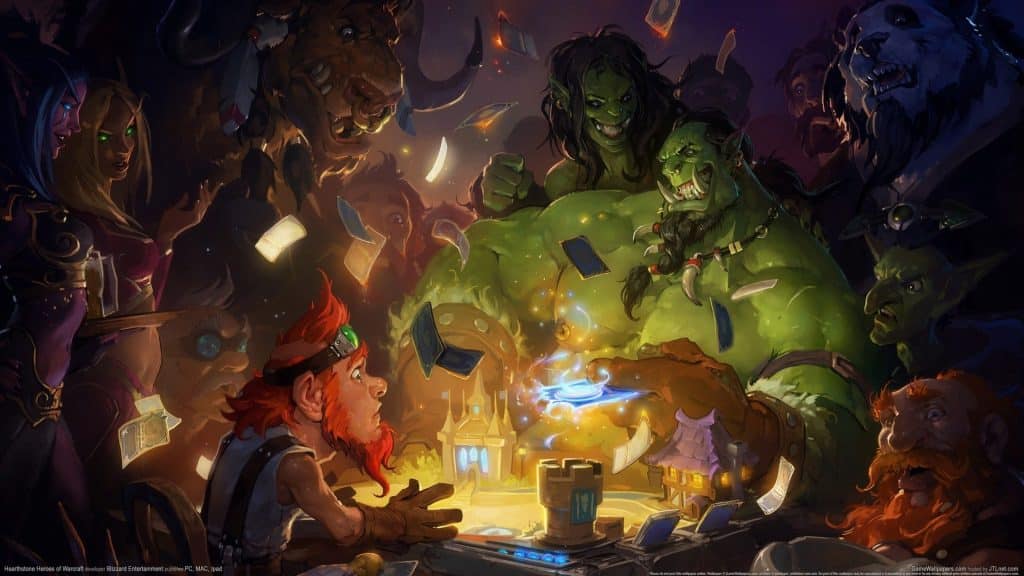
Hearthstone Menagerie Paladin thrives on early aggression and board development, aiming to secure a win before opponents can establish late-game control. In the early game, from turns 1 to 3, the primary goal is to build a strong board presence using low-cost, efficient minions of varying types. Cards like Firefly, Mermy, and Busy Bot help establish tempo, enabling consistent curve plays while also contributing to the Menagerie synergy. Playing minions on curve is crucial here to keep up the pressure and prepare for powerful mid-game buffs.
During the mid-game, turns 4 to 6, the deck begins to leverage its key power spikes. Menagerie Jug becomes central at this stage, providing significant buffs if multiple minion types are present. It’s important to assess board composition—without enough diverse tribes, its effect may be limited. Cards like Torth the Unbreaking act as sticky threats that are difficult for the opponent to efficiently remove. Flash Sale and Crusader Aura can both be used to push extra damage and secure control of the board.
If the game reaches the late stage, turn 7 and beyond, the deck can maintain pressure with strong refill options. Vacation Planning can restock your board and draw into more threats, while The Curator provides a reliable way to draw a range of tribal minions, sustaining momentum. The focus remains on finding lethal through board buffs and aggressive attacks, rather than transitioning into a full control plan.
For mulligans, the general rule is to prioritize low-cost minions that enable a smooth curve. Prismatic Jewel Kit is a strong early keep if paired with other minions like Righteous Protector or Sanguine Soldier, enabling immediate board buffs. Golden Wing can be kept if there’s another Mech in hand to activate synergy. Firefly is a solid one-drop and a safe keep. Avoid keeping cards like Torth the Unbreaking in the opening hand, as it’s better suited for mid-game turns.
Throughout the match, Hearthstone Menagerie Paladin relies on tempo and aggression. The deck should always be looking to develop the board, trade efficiently when needed, and push face damage when the opportunity arises. Applying constant pressure can often force control decks to respond inefficiently or fall behind. Awareness of potential board clears is important—developing a board thoughtfully can help mitigate risk while maximizing damage output. This proactive, board-focused playstyle makes Menagerie Paladin a fast, fun, and effective archetype.
Hearthstone Menagerie Paladin Variations and Tech Choices

Hearthstone Menagerie Paladin offers flexibility in card selection, with several options to support its aggressive, tribal-synergy game plan. Prismatic Jewel Kit is a key inclusion, reinforcing the Divine Shield package and providing incremental buffs as your shields are popped, helping scale your early minions into stronger threats. Bronze Explorer fits well into the deck’s structure, offering a solid body and the ability to Discover a Dragon, which can serve as a source of value or a potential late-game threat. Lion’s Banner functions as another board-wide buff tool, reinforcing the deck’s central goal of growing a wide, threatening board.
Disco Maul, while not always included, can be a powerful tempo weapon thanks to its Deathrattle, which grants a random minion a buff after a set number of minions are played. Similarly, Boogie Down can be used to develop the board by summoning two one-cost minions with Taunt, potentially triggering tribal synergies while defending against early aggression. One Amalgam Band stands out as a potential late-game bomb, gaining a range of keywords based on the minion types you’ve played throughout the game. If supported properly, it can act as a strong closer.
There are also midrange-oriented options that can shape the deck slightly differently. Blessing of Kings and Seal of Champions were considered for builds that want to lean more into individual minion buffs rather than full board enhancements. Selfless Hero was discussed as a way to further leverage Divine Shield synergies, while Creature of Madness was debated for its potential inclusion due to its unique interactions. Lightray is another potential addition that becomes cheaper with a wide board and can provide a strong tempo swing.
For consistency and staying power, especially if the deck runs out of gas, adding extra card draw may be necessary. Flex slots can be adjusted to include draw tools that fit the deck’s mana curve and playstyle. Overall, Hearthstone Menagerie Paladin can be tuned for more aggression or slightly more staying power depending on the meta, and careful card choices can enhance its strengths in both scenarios.
Hearthstone Menagerie Paladin Matchups

Hearthstone Menagerie Paladin excels in matchups where it can seize early board control and snowball that advantage into a swift victory. It performs especially well against slower control decks that lack reliable early-game removal. The deck’s ability to flood the board with diverse, low-cost minions and then amplify their power with buffs can overwhelm opponents before they can stabilize. This constant pressure makes it capable of achieving quick wins when opponents fail to respond effectively in the first few turns.
However, the deck does have notable vulnerabilities. It can struggle against other aggressive archetypes that can efficiently contest the board early, such as decks with strong one- and two-cost minions or early tempo tools. If the opponent is able to establish board control first or trade effectively, Hearthstone Hearthstone Menagerie Paladin can fall behind quickly.
Additionally, decks with consistent and efficient board clears—especially those with access to lifesteal or area-of-effect damage—can pose a serious challenge. For example, Death Knight builds with strong removal and healing can repeatedly reset the board while regaining health, limiting Hearthstone Menagerie Paladin’s ability to close out the game. As a result, while the deck thrives in matchups where it can dictate the pace, it can falter when forced to play from behind or against heavy removal.
Hearthstone Menagerie Paladin Conclusion

Hearthstone Menagerie Paladin is a fast-paced, board-centric archetype that blends aggressive gameplay with tribal synergy, making it both competitive and enjoyable to play. The deck’s strength lies in its ability to establish a wide board early using efficient, low-cost minions of varying types, then capitalize on that presence with powerful buffs like Menagerie Jug.
Its goal is to apply constant pressure and deal fast, incremental damage before opponents can mount a defense. Hearthstone Menagerie Paladin thrives when opponents lack early board clears or struggle to deal with multiple small threats. While the core strategy remains focused on tribal diversity and board buffs, there’s room for experimentation with card choices, allowing players to adapt the list to suit their preferred playstyle or respond to shifts in the meta. This flexibility, paired with its explosive turns and satisfying synergy, gives the archetype strong potential and makes it a fun and engaging option for ladder play.
