 Search
 Account
 Discord

Introduction to Merchantry in Black Desert Mobile

Black Desert Online Merchantry Guide will help you quickly establish a strong foundation for your journey. Let’s dive in and get you on the right track!
Merchantry in Black Desert Mobile is far more than a simple mini-game for transporting goods. It serves as a rich, multifaceted trading system that plays a pivotal role in account progression. Engaging in Merchantry opens up a rewarding avenue for earning valuable currencies, rare resources, and enhancing your camp infrastructure, all while giving you the experience of managing your own mobile trade empire.
This system transforms you from an adventurer into a logistical mastermind, managing wagon weight, trade routes, and vendor relationships to optimize profit and efficiency. With proper planning, Merchantry becomes a consistent, long-term source of wealth and account-wide benefits.
Getting Started with Merchantry

To unlock Merchantry, you must first progress through the main questline and defeat Hexe Marie. Once this milestone is reached, Merchantry becomes accessible. You’ll also need at least one horse, as it’s essential for pulling your trade wagon.
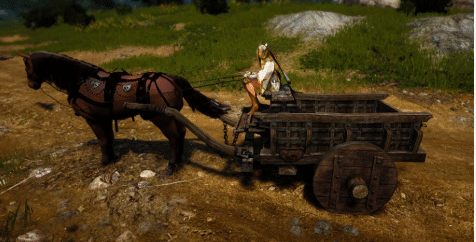
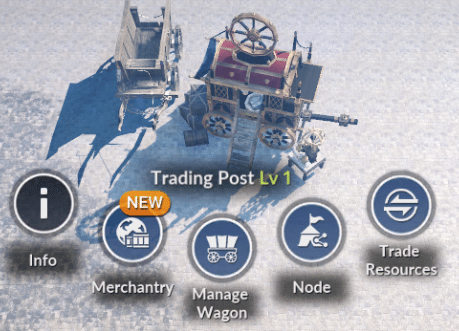
Merchantry can be launched through your main menu or directly from the Trading Post in your camp. From there, you begin assembling your wagon, loading goods, and plotting your trading route.
Why Merchantry Matters
The rewards from Merchantry are substantial. It allows you to put your workers to good use, especially those idling in your camp, by assigning them roles in your trading runs. Most notably, Merchantry is a primary source of Black Pearls, especially as you level up. High Amity with vendors further amplifies your profits, sometimes yielding hundreds of Black Pearls in a single trip.

Beyond Black Pearls, Merchantry is also an essential source of life skill resources like logs, rugged boulders, and wild grass. Other regular rewards include boss stamps, ancient tablets, Tower of Trials tickets, silver, and Black Spirit feed.
This makes Merchantry one of the most efficient systems for simultaneously progressing in multiple areas of the game.
Preparing for Your First Trade Run
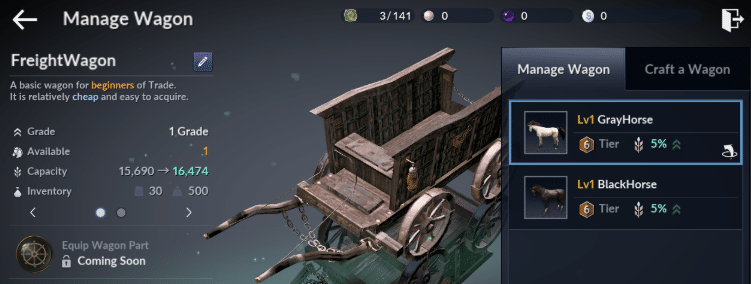
Before embarking on any trade run, there are critical preparations to ensure success. Your first order of business is to assemble your wagon. Head to the Trading Post and go to Manage Wagon. Here, you can harness a horse to your wagon—an essential step since your horse determines your food capacity.
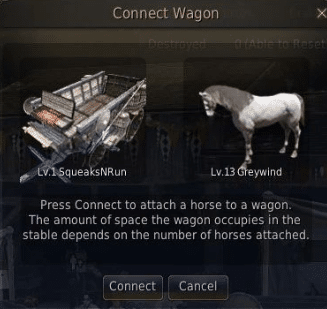
Higher-tier horses mean more food storage, which directly translates to longer runs and better returns. Your goal should be to upgrade your wagon as early as possible. Start by crafting a Tier 3 wagon, which offers decent storage and efficiency. It’s generally advised to skip Tier 4 and aim directly for a Tier 5 wagon, which offers more value in the long term.
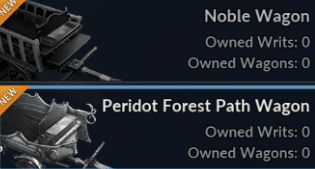
Once you hit Merchantry Level 75, the Noble Wagon (Tier 6) becomes available. It holds a sizable 102,000 food and requires specific materials to craft. Eventually, at Merchantry Level 100, you can build the pinnacle of wagons—the Peridot Forest Path Wagon (Tier 7). This top-tier wagon boasts a massive 114,000 food capacity and allows you to handle the most demanding trade runs with ease.
You can also enhance your wagon’s performance by crafting wagon parts. For example, the Forest Path Wagon Wheel increases your storage weight, allowing for more trade goods and better profits. These parts are available under Craft Wagon Parts in your camp’s Trading Post.
Understanding Trade Goods
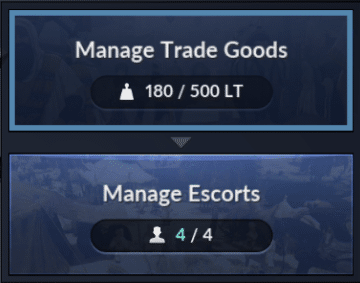
Your main source of income in Merchantry comes from trade goods. These items are bought in one town and sold in another at a markup, depending on demand. Using the Auto-Load function helps quickly load trade goods onto your wagon. Early on, focus on accumulating normal (blue) trade goods, as they’re the most reliable source of silver.
A good rule of thumb is to carry at least 1,600 units of each of the 15 standard blue trade goods. These can be sold in most towns for a consistent profit. Later, as you level up, fill your remaining storage with special (gold) goods, which yield much higher profits when sold to the right vendors.
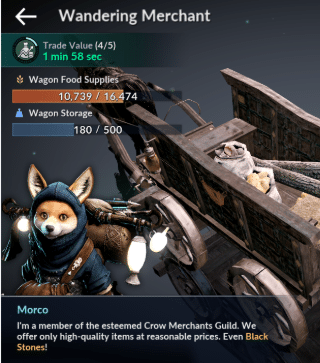
It’s important to remember that selling crafted items, like Rolling Stones, to the Wandering Merchant doesn’t count toward objectives like the Merchant’s Ring. Therefore, balance your trades carefully between leveling strategies and long-term goals.
Managing Food for Your Wagon
Food is the lifeblood of Merchantry. Every kilometer you travel and every event you interact with consumes food. Your food capacity is determined by your wagon type and the horse pulling it. You must have at least 20% of your total food capacity to begin a run.
Refill food at your camp and try to use most of your available supply before setting out. Relocating your camp to Serendia is highly recommended due to its central location, reducing food consumption and offering quicker access to nearby trading routes. Note that camp relocation takes around two days, so plan accordingly.
Best Camp Location Strategy
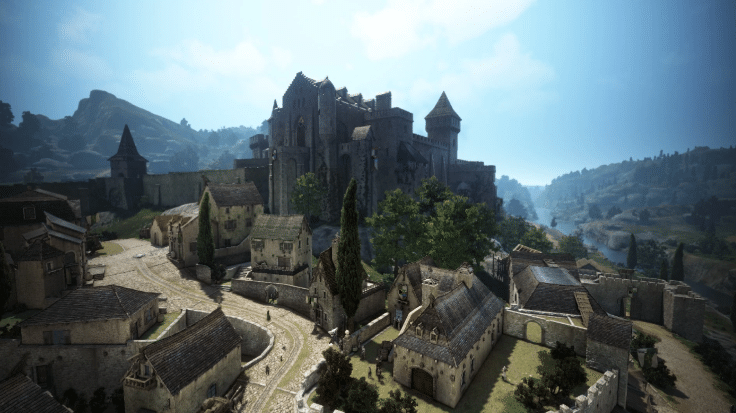
Strategically placing your camp in Serendia is one of the smartest moves a trader can make. It reduces your travel time to most major towns and makes refueling easier. A central hub allows for quicker restocking and enables you to string together more efficient trade routes without excessive backtracking.
Building Rapport and Amity with Vendors
High Amity and Rapport with trade vendors provide substantial benefits. Every vendor has their own Amity level, which can be increased by speaking with them and offering gifts. A quick trick is to press the text in conversations to automatically gain Amity without reading through the full dialogue.
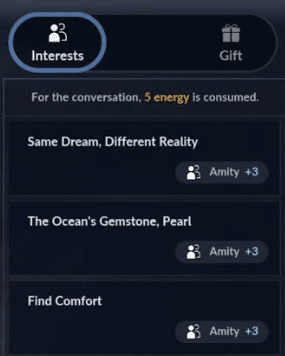
When your Amity reaches 100%, your Rapport will start at 30% during Merchantry interactions. Higher Rapport not only improves trade prices but also unlocks special exchanges, including Black Pearls and Crow Merchants’ Elixirs. Keep in mind that Rapport decreases if you neglect a vendor for seven days, so visit regularly.
Launching a Merchantry Run
Starting a Merchantry run requires a harnessed horse, trade goods loaded into your wagon, and sufficient food. Many seasoned players begin with an empty cargo hold, buying goods along the route as they go.
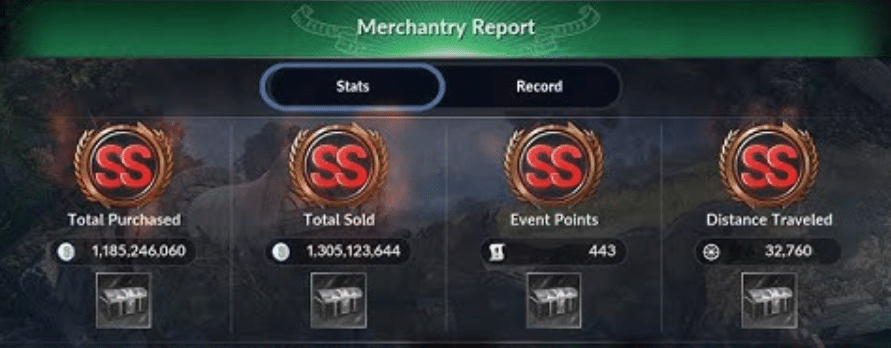
Check market values in each town before making purchases. Look for blue flags next to items in the trade shop—these indicate demand in upcoming towns. Always buy blue goods that can be sold down the line, and fill remaining weight with gold goods for profit.
Be strategic with your food. No food is consumed while in a town, so spend time there planning and restocking.
Optimal Routes for Every Level
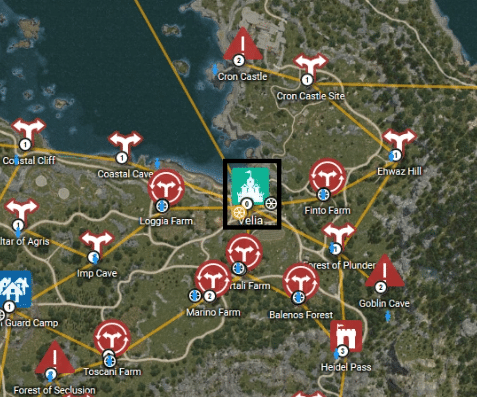
At lower Merchantry levels (1–10), stick to simple circular routes like Velia – Heidel – Glish – Velia. This loop provides enough towns to turn a small profit and familiarize yourself with the system.
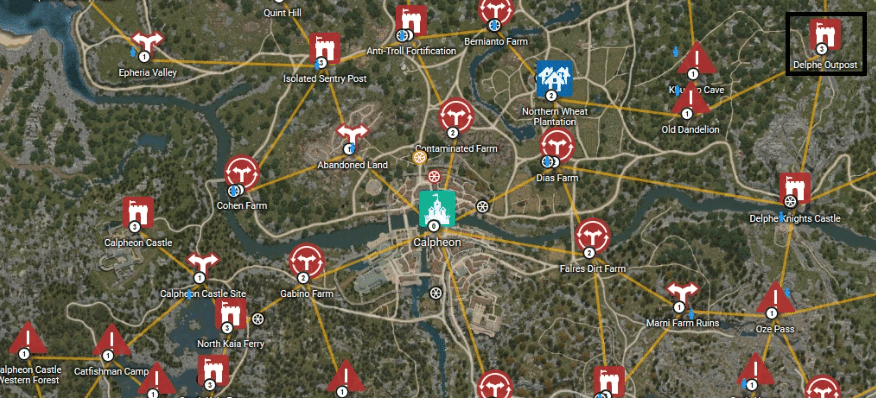
From levels 10–20, expand your routes to include Delphe Outpost and Calpheon. At higher levels, consider running extended trade paths such as Trent to Altinova. Once you hit Level 10 in Merchantry, unlock preset routes using the Set Destination feature. This not only automates navigation but also helps track item demand in future towns.
Avoid overly remote regions like Southeast Calpheon unless necessary, as the food cost often outweighs the profit.
Interacting with Road Events
While traveling, you’ll encounter events along the road. Turn on Auto-Events in your settings to automate most of them. Always enable all event types, even the common ones, since they contribute to your workers’ stats and grant experience.
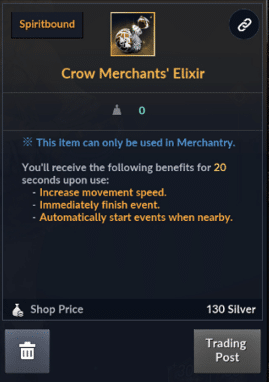
Some events, like Search, are rarer but offer significant benefits. When the Wandering Merchant appears, check their distance. If they’re within 300–400 meters, it’s usually worth the detour. They are especially important for leveling and purchasing rare materials like the Piece of Image or the Crow Merchants’ Elixir.
Town Trade Strategy
When you enter a town, your first stop should be the Trade Vendor. Check market prices and decide which goods to buy or sell. Use the Wagon Storage tab to monitor your cargo and plan accordingly.
Don’t sell all high-value goods in the first few towns. Some items will fetch a better price later in your route. Also, buy food at each stop to extend your trip.
Before selling gold goods, confirm you can purchase all necessary blue items first—this will often lead to better overall profits.
Utilizing the Crow Merchants’ Elixir
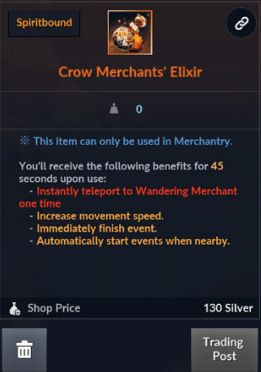
This elixir can be activated before your run to increase your chance of finding the secret merchant. It also enhances the odds of encountering more events, which translates to higher experience and better loot.
Family Dispatch and Passive Merchantry
Once unlocked, Family Dispatch: Merchantry allows you to send workers on automatic trade missions, earning Merchantry EXP passively. Higher-level regions become available as your level and wagon tier increase, providing even better returns.
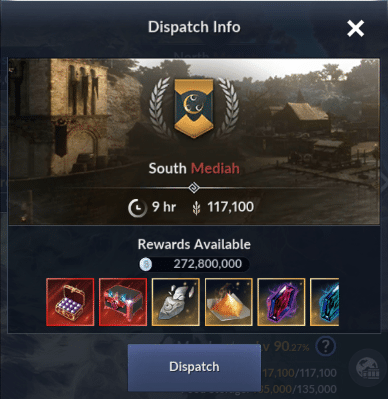
Characters assigned to dispatch cannot be used for manual runs simultaneously, so plan your dispatches when you know you won’t be actively trading.
Wagon Parts and Efficiency
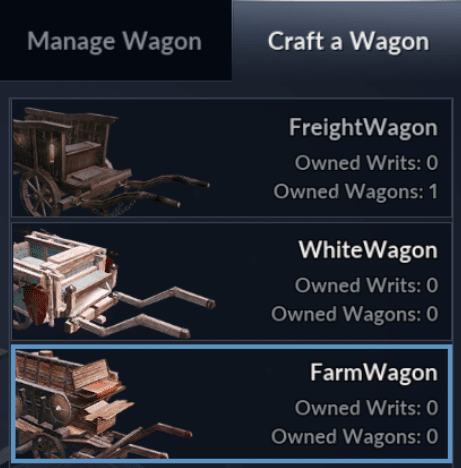
Crafting wagon parts like covers and wheels at your Trading Post improves efficiency by increasing storage and reducing food consumption. Equip these parts on appropriate wagons to boost their effectiveness on longer runs.
Earning the Merchant’s Ring
The Merchant’s Ring, also known as the Olvian Conch, is a prestigious reward for earning 1.5 billion silver through Merchantry trades. This must be done ten times, though not necessarily consecutively.
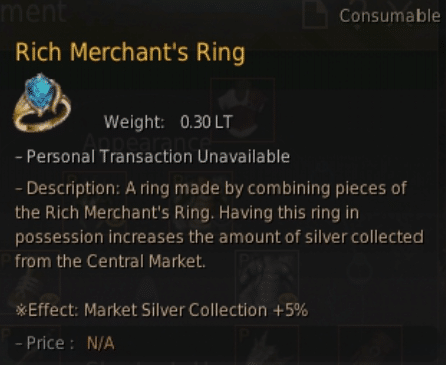
Sales to the Wandering Merchant do not count toward this achievement. Once completed, you gain a permanent 5% reduction in Market fees—a massive benefit for all trading activities.
Merchantry Tasks and Long-Term Goals
Merchantry Tasks are objectives that reward you with items like Crimson Crowns, Mystical Elixirs, and Sealed Treasure Chests. Completing them is a great way to earn supplemental rewards while progressing naturally through trade runs.
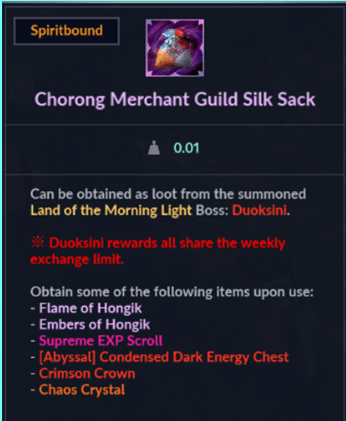
Tasks range from selling specific goods to reaching milestone levels and completing gathering or combat events.
Final Tips for Success
Engage in Merchantry as soon as it’s available. The earlier you start, the faster your account will grow. Focus on upgrading your wagon and horse, maintain high Rapport with vendors, and take part in every event you encounter.
Move your camp to Serendia for efficiency, and use preset routes to automate trading. Use the Wandering Merchant to your advantage, particularly by selling crafted crystal sets for fast experience gains.
As you refine your approach and become more strategic in your routes, food management, and inventory decisions, you’ll find that Merchantry is not just a sideline activity but a core pillar of success in Black Desert Mobile.
Happy trading!
Conclusion: Mastering the Path of Trade in Black Desert Mobile
Merchantry in Black Desert Mobile is not just a feature—it is a fully integrated gameplay system that rewards patience, planning, and a deep understanding of mechanics. As you delve further into this system, you will find it offering layers of progression that enrich both your character and your overall account. What begins as a modest trading journey with a simple wagon and a few goods can evolve into a complex, rewarding network of commerce that spans the entire world map.
At its core, Merchantry transforms you into a logistics manager, a merchant, and a strategist. It teaches you how to make decisions based on supply and demand, optimize limited resources such as food and wagon storage, and navigate dynamic interactions with vendors and towns across the land. It is not just about moving from one location to another—it’s about turning every kilometer into profit and every trade into an opportunity.
A major aspect of Merchantry’s appeal is its rewarding loop. Whether it’s the slow accumulation of Black Pearls, the consistent supply of life skill materials, or the large infusion of silver into your account, each run contributes meaningfully to your in-game economy. It ties seamlessly into other systems as well: your camp workers become part of your trading operations, your horses gain more value through their Merchantry roles, and your crafted items and crystals find new purposes through sales to the Wandering Merchant.
As your Merchantry level rises, your options open up even further. You unlock more efficient wagons, including powerful endgame vehicles like the Noble Wagon and Peridot Forest Path Wagon. These are not just status symbols; they increase food capacity and allow for longer, more profitable runs. Pairing these wagons with carefully crafted parts boosts your wagon’s performance, ensuring that you can carry more, travel farther, and earn more per trip.
Strategic thinking is the bedrock of successful Merchantry. From choosing which trade goods to stock, to identifying ideal towns for buying and selling, to planning efficient preset routes—everything requires consideration. There is a delicate balance between profit, weight, food supply, and vendor rapport. Every choice you make, from selecting a destination to deciding whether to engage in a road event, impacts your final outcome. The more time you spend in Merchantry, the sharper your instincts will become.
An often overlooked but crucial component of long-term success is managing Rapport and Amity. Building strong relationships with town vendors pays dividends, especially as your runs become more frequent and your need for favorable trade terms increases. High Rapport opens doors to special exchanges and boosts the quality of your trade experience. It’s a slow burn investment, but one that pays off with better prices, bonus items, and greater efficiency in the long run.
Additionally, the introduction of Family Dispatch: Merchantry gives players the opportunity to passively progress in the background. This is especially useful during busy periods when you may not be able to engage in a full trading session. Being able to send out workers to earn experience ensures that even your downtime contributes to your trading empire. As you unlock more regions and dispatch tiers, your passive income stream continues to grow.
One of the ultimate long-term achievements in Merchantry is obtaining the Merchant’s Ring, a goal that requires serious dedication. Earning it involves accumulating billions in silver through Merchantry sales, reflecting not only your effort but your mastery of the system. The 5% reduction in Market fees is more than just a badge of honor—it’s a meaningful advantage for players who engage heavily in market transactions, reinforcing the idea that Merchantry benefits extend far beyond its own scope.
Merchantry is not just for silver or materials—it’s a lifestyle. It adds depth to your play sessions, offering an alternative to combat-heavy activities, and it makes exploration and route planning a rewarding experience. With each run, you improve your timing, increase your profits, and push your limits further.
As your wagons roll across the fields, deserts, and towns of the world, you will begin to feel the satisfaction of running a finely tuned operation. The coordination between your camp, your wagons, your workers, and your chosen routes all begins to click into place. Merchantry becomes second nature, and the time you invest yields real, tangible growth for your entire family.
So whether you’re aiming to collect every piece of the Merchant’s Ring, craft the most elite wagon, or simply accumulate a fortune in Black Pearls and materials, the path of Merchantry awaits. Approach it with patience, diligence, and a merchant’s mind—and you’ll be rewarded with one of the most consistent and fulfilling systems in the game. Happy travels, and may every town bring you profit.
