 Search
 Account
 Discord

Understanding Cosmic Conflicts Campaign
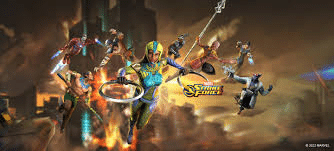
Marvel Strike Force Cosmic Conflicts is a specialized campaign mode in Marvel Strike Force that offers players a distinct path for progression, resource collection, and character development outside the traditional campaign options like Hero, Villain, and Nexus. It is designed around the use of Cosmic characters and introduces unique challenges and opportunities that are separate from those found in other game modes, including Cosmic Crucible. This campaign is structured with its own set of nodes and missions that progressively increase in difficulty and provide a steady stream of valuable rewards essential to player growth.
One of the primary functions of Cosmic Conflicts is to serve as a reliable farming route for critical in-game resources. Players can earn gold, gear components, training materials, and character shards, all of which are vital to leveling up and enhancing their roster. These rewards help build the strength and depth of teams needed to tackle more advanced content across Marvel Strike Force. For newer players, Cosmic Conflicts also plays an important role in unlocking specific farmable nodes that aren’t immediately accessible in other campaign modes. By progressing through this campaign, players gain access to additional characters and resources that feed into the broader gameplay ecosystem.
To participate in Cosmic Conflicts, players must assemble teams composed exclusively of Cosmic-tagged characters. These characters span a wide range of origins and traits, including both heroes and villains, and often include some of the more powerful and versatile units in the game. This requirement adds a strategic layer to team-building, encouraging players to invest in characters that fit the Cosmic classification to make steady progress through the campaign’s increasingly difficult stages.
Over time, the early missions of Cosmic Conflicts have become significantly easier due to the game’s ongoing updates and the introduction of newer, more powerful characters and team synergies. This phenomenon, commonly referred to as power creep, has made the initial nodes less of a barrier for newer players, allowing for smoother early progression. However, later nodes can still present a formidable challenge, especially for those who have not yet developed a strong Cosmic roster. Players may need to upgrade gear levels, abilities, and star ratings to meet the increasing demands of later stages.
Overall, Cosmic Conflicts stands as a crucial campaign in Marvel Strike Force, offering both immediate and long-term benefits. It provides an engaging way to farm high-value resources while also acting as a gateway to other content through node unlocks. Whether used as a training ground for Cosmic teams or a targeted resource path, it is a mode that rewards strategic planning, consistent team development, and focused investment in Cosmic characters.

Recommended Teams and Characters for Cosmic Conflicts
When approaching the Cosmic Conflicts campaign in Marvel Strike Force, players should focus on smart team-building and resource efficiency, especially given the varying quality and viability of different Cosmic-tagged characters. Power creep plays a major role in the effectiveness of teams, so prioritizing newer characters is a general rule that offers an edge in performance. Newer characters tend to have stronger stats, better abilities, and improved synergy compared to older units, making them more effective in both early and advanced stages of the campaign.
A strong emphasis should be placed on team synergy rather than assembling random high-power characters. While individual strength may carry a team through the earliest nodes, later stages of the campaign demand coordinated attacks, buffs, debuffs, and defensive strategies that only come from well-constructed teams. Working toward fully synergized squads will yield more consistent results and allow players to preserve resources while achieving campaign goals efficiently.
For early-game players, particularly those around level 45 to 47, there are several effective and accessible team options. A mixed team composed of characters like Hela, Sersi, Ikaris, The Thing, and Loki offers a practical starting point, as these units are generally easy to obtain from campaign nodes and in-game shops. Another reliable choice includes the Hero Asgardians, such as Thor, Sif, Heimdall, Valkyrie, and Jane Foster. While not the strongest meta option, they form a complete team with respectable synergy, and some variations—like replacing a few of them with Hela, Mighty Thor, Loki, or Sylvie—have successfully cleared early Cosmic Conflicts nodes.
For very new or low-level players, characters like Noir, Loki, Teen Loki, Absorbing Man, and Ikaris have been particularly effective in early nodes, delivering strong results even with lower-level teams. These “lowbie” teams offer a practical route through the initial stages before transitioning into more structured mid-game builds.
As players move into the mid-game and begin forming stronger teams, investing in characters that are part of current meta lineups becomes essential. The Eternals duo—Sersi and Ikaris—remain one of the most dominant early and mid-game cores due to their unmatched synergy and self-sustaining power. Other high-performing characters that consistently deliver strong results include Kestrel, Deathpool, Kang the Conqueror, Void Knight, Vahl, Photon, Sylvie, Teen Loki, Beta Ray Bill, Strange Heartless, and Spider-Weaver. One proven Cosmic team composition that can carry players well into advanced content like Dark Dimension 4 consists of Void Knight, Vahl, Sersi, Ikaris, and Kestrel. Additionally, the Bifrost team, while useful, is better utilized as a backup or sacrificial team rather than a long-term solution due to their role in temporary raid metas.
Certain legacy teams still hold value in Cosmic Conflicts and should not be overlooked. Infinity Watch, while aging, remains effective and capable of handling many nodes with minimal trouble. Teams like Knowhere and Black Order are also usable, especially if already developed, although they are no longer considered top-tier. They can fill in gaps or support progression without requiring major new investment.
On the other hand, some characters and teams are best avoided, especially for newer players. Guardians of the Galaxy, Kree, Cosmic X-Men, and Ravagers are often seen as poor long-term investments. These characters tend to demand a large amount of gear and resources without offering the power or utility of newer characters. While opinions vary—particularly with the Guardians, who some players defend due to availability or team bundles—the general advice is to avoid investing heavily in them unless there’s a specific reason. Similarly, Bifrost, though currently useful, is expected to be phased out in future raid metas, so players should be cautious about heavily leveling them beyond what’s needed for immediate use.
In summary, navigating the Cosmic Conflicts campaign in Marvel Strike Force requires careful planning, prioritization of newer and synergistic characters, and avoidance of outdated or inefficient teams. Building around strong cores like the Eternals and investing in versatile meta-relevant characters will provide a more rewarding and efficient path through this essential game mode.
Character Acquisition (Farming for Cosmic Characters)
Farming specific characters is one of the most critical aspects of long-term success and progression in Marvel Strike Force. Building a competitive and well-rounded roster requires consistent effort in collecting character shards, which can be obtained through multiple avenues across different game modes and stores. One of the primary sources for shard farming is the campaign system, which includes modes like Cosmic Conflicts, Heroes Assemble, Villains United, The Nexus, Mystic Forces Rising, Doom War, and Isotope-8. These campaigns provide access to a wide range of characters and allow players to collect shards daily. In Cosmic Conflicts specifically, players can farm valuable characters such as Photon and Sersi, both of whom are high-performing Cosmic units essential for progressing deeper into the campaign and other content.
Another major farming route is the Incursion campaign, which features a mix of powerful characters and includes the added benefit of red star drops. Red stars significantly enhance a character’s stats, especially damage output, making them a priority for players looking to elevate their roster strength. The Incursion campaign includes characters like Spider Weaver, Kang the Conqueror, Deathpool, and Vahl—each of whom plays a vital role in multiple game modes and team compositions.
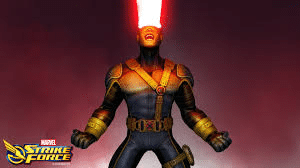
Outside of campaign missions, various in-game stores provide additional opportunities to farm key characters. The Blitz Store offers characters like Namor and Sunfire, both of whom can fill specialized roles depending on the player’s team needs. The Raid Store features essential characters such as Ikaris and Cyclops, allowing players to build out strong Cosmic and Mutant teams respectively. In the Arena Store, players can farm characters like Gambit and unlock others such as Strange Heartless, which are often central to PvP and Arena teams. The War Store becomes available after reaching player level 45 and alliance level 20, providing access to impactful characters like Ironheart. These store-based farms complement campaign efforts and allow players to target specific roster gaps based on their current priorities.
Overall, mastering shard farming across campaigns, the Incursion mode, and the game’s multiple stores is essential to building a competitive roster in Marvel Strike Force. Strategic selection of farmable characters—especially those relevant to current team synergies and game modes like Cosmic Conflicts—ensures long-term efficiency and gameplay success.
General Gameplay Tips Relevant to Campaigns
Navigating the Cosmic Conflicts campaign in Marvel Strike Force is both a strategic and time-sensitive endeavor, and optimizing how you engage with the game on a daily basis can significantly accelerate your progress. One of the first and most effective tips is to increase your combat speed. Setting battles to 3X speed allows for faster completions and helps avoid timing out during longer encounters. Additionally, turning off the dynamic camera can improve visual clarity at higher speeds, making it easier to follow the action and issue commands without disorientation.
When facing easier nodes or battles with a well-developed team, take advantage of the auto-battle feature. This saves time and allows you to focus your attention on more challenging fights or higher-priority tasks. Daily routines should also be streamlined for maximum efficiency. A productive sequence starts with Arena battles to maximize rank-based rewards, followed by clearing out daily challenges, which can often be completed with auto-wins. Campaign missions, especially those in Cosmic Conflicts or related shard farming routes, should be prioritized next using simmed battles where available. Blitz battles provide both character shards and currency, while regular purchases from the supplies store help maintain gear flow. Lastly, upgrading characters and managing your roster before claiming all rewards rounds out an effective daily cycle.
Character positioning is another important factor that can impact your success in combat. Tanks should generally be placed at one end of the formation to draw enemy attention and absorb opening hits. Meanwhile, more fragile controller or support characters are best kept on the opposite side to avoid splash damage or being caught in early cluster attacks. Positioning becomes especially important as you face nodes with multiple enemy wave mechanics or teams with area-of-effect abilities.
In battle, always target vulnerable enemy characters first, especially those with high impact but low durability. Characters like Storm, who can inflict heavy damage or debilitating effects if allowed to act, should be prioritized for elimination. Bypassing taunting tanks is often possible by using abilities that target multiple enemies or apply splash damage, which can help you eliminate threats behind the frontline and break up enemy momentum.
Keeping up with the evolving meta is equally important, especially as new characters are introduced. Watching what other players are building in the Arena can provide valuable insight into the most effective teams and synergies currently in circulation. New releases tend to be strong and often shift the power balance, so taking advantage of early acquisition opportunities—whether through events, campaigns, or store availability—can give you a competitive edge.
Think of progressing through Cosmic Conflicts like piloting a starship through a nebula. Your team is the vessel that must be constantly adjusted and optimized for the journey ahead, with each campaign node presenting a new challenge to navigate. Your characters are the crew—each with a unique role—who must be strategically aligned and supported to overcome increasingly complex enemies. Staying aware of the ever-changing star map of the meta will keep your path efficient and allow for smoother, faster travel across the expansive universe of Marvel Strike Force.
