 Search
 Account
 Discord


Introduction
Welcome to the Minecraft Bedrock Cherry Blossom Guide The Cherry Grove biome, often affectionately referred to by players as the “Cherry Blossom biome,” is one of the most visually striking and atmospheric additions to Minecraft. Introduced in the 1.20 update, this biome brings an ethereal, almost dreamlike quality to the game world. With its soft pink hues, cascading petal particles, and gentle terrain, the Cherry Grove offers players a romantic and serene environment that stands out vividly from other biomes.
It serves not just as a visual treat but also as a functional space filled with unique resources, building materials, and passive mobs. This guide will help you understand everything about the Cherry Grove—from how to find it, what it contains, and how you can creatively use its elements to enhance your Minecraft experience.
Understanding the Cherry Grove Biome
The Cherry Grove biome is a forested area typically found in or around mountainous terrain. It’s immediately recognizable by its signature cherry trees, whose vibrant pink canopies and petal-strewn ground set a completely different tone from the lush greens of other overworld biomes. The atmosphere feels light and cheerful, influenced by the cultural symbolism of cherry blossoms, which often represent beauty and the fleeting nature of time.
In Minecraft, this biome carries a similar ambiance, providing a tranquil escape for builders and adventurers alike. The grass and water here have a slightly paler tone compared to other neutral biomes, giving everything a slightly washed, peaceful appearance. The temperature in this biome is considered neutral, so players won’t experience snow or desert heat extremes while exploring its gentle hills and flowering trees.
How to Find a Cherry Blossom Biome
Locating a Cherry Grove biome in survival mode can be a thrilling journey, especially for players who enjoy exploring Minecraft’s diverse terrain. These biomes typically generate at the base or lower elevations of mountainous areas, often adjacent to plains, forests, or meadows.
While their exact locations vary, the bright pink foliage makes them relatively easy to spot from a distance, especially when viewed from higher elevations or during daylight. Occasionally, Cherry Grove biomes might appear in flatter regions near rivers, although such appearances are rare. Since Minecraft does not provide a direct in-game tracking method for biomes without enabling cheats, locating a Cherry Grove naturally often depends on your world’s seed and a bit of exploration luck.
For players who prefer a more direct approach, enabling cheats allows the use of commands such as /locate biome minecraft:cherry_grove, which provides coordinates of the nearest Cherry Grove biome. You can teleport directly to this location using /tp [x y z], although you may arrive underground if the coordinates point to a subterranean region. For those starting a new world, using specific world seeds can place you conveniently near or even within a Cherry Grove biome.
Several known seeds offer ideal spawning points close to these beautiful biomes, featuring unique terrain combinations such as snowy surroundings, crater-like formations, or riverbanks. Alternatively, in the world creation menu, selecting “Single Biome” and choosing “Cherry Grove” allows players to create an entire world themed around this enchanting environment, perfect for large-scale building or roleplay.
Natural Features and Unique Blocks
The defining characteristic of the Cherry Grove biome is, unsurprisingly, the cherry blossom trees. These medium-sized trees have a dense canopy of bright pink leaves with subtle hints of green branches visible within. They typically allow three to four blocks of space beneath their leaves, making traversal easy while also providing ample shaded areas.

These shadows, while visually appealing, can become spawn points for hostile mobs at night. What sets cherry trees apart, aside from their color, is the gentle cascade of pink petal particles that occasionally fall from the leaves, adding motion and atmosphere to the biome. Unlike mangrove trees, cherry trees grow exclusively on land and do not produce any fruit, making their purpose primarily decorative and structural.
The forest floor in a Cherry Grove is usually scattered with pink petals, which function similarly to small plants. These are not dropped from trees but generate directly on the ground. Players can pick them up by hand and place up to four on a single block, creating visually layered floral displays. Pink petals can also be crafted into pink dye, making them useful for players seeking colorful decoration options. Bone meal can be applied to grass blocks within the biome to generate more petals, which is a convenient and renewable source. They can be removed with water and are compostable, making them fully integrated into the game’s farming and building systems.

Cherry wood is another significant resource exclusive to this biome. Harvesting cherry trees yields Cherry Logs, which have a dark, purplish-brown outer bark and a vibrant pink interior. When crafted into Cherry Planks, the resulting wood has a bright, cotton candy pink appearance. These planks can then be used to create furniture and structures that stand out boldly compared to other wood types. Cherry wood can be crafted into boats, signs, fences, doors, trapdoors, pressure plates, buttons, and hanging signs. Builders can take advantage of the contrast between the dark logs and light planks to create elegant or playful structures. However, note that some crafted items might default to their usual appearance unless specifically made from cherry planks.

Cherry saplings drop from leaves at a generous rate, giving players the opportunity to grow their own cherry trees elsewhere in the world. These saplings can be planted on most dirt-type blocks, including coarse dirt, podzol, moss, rooted dirt, mud, and more (excluding dirt paths). They require a 5×5 area with at least nine vertical blocks of free space to grow into a full tree. Bone meal can accelerate their growth, making them convenient for quick access to cherry wood and leaves. For decorative purposes, cherry saplings can be placed in flower pots, where they take on the look of a charming pink bonsai tree.
Mobs That Inhabit the Biome
Despite its peaceful appearance, the Cherry Grove biome is home to both passive and hostile mobs. Bees are especially common here, often found buzzing around flowers and nesting in naturally spawning bee nests attached to cherry trees. Because of the abundance of flowers and petals, this biome is an excellent location for starting a bee farm. Rabbits—mostly black in color—also roam the area freely, alongside the more familiar sheep and pigs. Occasionally, cows and goats may wander in from adjacent biomes. Underground, players might encounter bats or glow squids if water pools or caves are present beneath the surface.

As the sun sets or if tree canopies block out light during the day, hostile mobs begin to appear. This includes zombies, skeletons, creepers, witches, spiders, and even the occasional enderman. If the biome intersects with a slime chunk, slimes may spawn as well. Interestingly, while villages do not generate within Cherry Grove biomes, pillager outposts may occasionally appear, adding an element of danger and intrigue to what is otherwise a calm landscape.
Ore Availability and Terrain Advantage
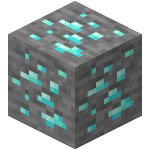
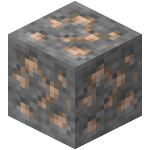
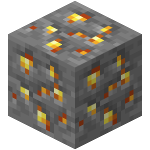
Because Cherry Grove biomes are often located in or near mountainous regions, players will find a good mix of surface and underground ores to mine. Coal, iron, gold, and even emerald ores are commonly generated throughout the biome, especially in cave mouths, cliff faces, and other natural formations. Coal and emeralds, in particular, benefit from the biome’s altitude, as both are more likely to appear at higher elevations. While emeralds remain relatively rare, their chances are still higher here than in most other locations. For players interested in early survival resources or decorative mining, the Cherry Grove offers both beauty and utility in equal measure.
Conclusion
The Cherry Grove biome offers more than just a pretty face—it provides a rich palette of building materials, passive mob interactions, and a peaceful setting for creative projects. Whether you’re crafting a blossom-filled shrine, building a vibrant pink-themed base, or simply enjoying the tranquil atmosphere, the Cherry Grove is a biome worth exploring and preserving. With its harmonious blend of color, nature, and subtle gameplay mechanics, this biome introduces a gentle yet meaningful layer to Minecraft’s ever-growing world.
Beyond aesthetics, the Cherry Grove represents a shift in Minecraft’s design philosophy—one that embraces cultural inspiration, environmental storytelling, and emotional ambiance. It encourages players to slow down and appreciate their surroundings, to build not just for survival but for beauty. The addition of unique wood types, new floral decorations, and a peaceful ecosystem makes this biome an ideal home for builders, decorators, and roleplayers alike.
So whether you’re a new adventurer or a seasoned builder, let your creativity take root and bloom among the cherry trees. This biome is more than a place—it’s an experience waiting to be shaped by your imagination.
If you’re looking for more guides, be sure to explore the website for more tips and tricks. Enjoy your adventure, and happy mining!
Frequently Asked Questions(FAQs)
🍄Can I grow cherry trees elsewhere?
Yes—plant cherry saplings on any grass or dirt block with enough space and light.
🍄What can I use pink petals for?
Decoration! You can place up to four petals in a block, similar to sea pickles. They also compost well
🍄Are there any structures here?
No unique structures, but it’s a popular biome for custom builds thanks to the scenic view and pink wood.
