 Search
 Account
 Discord

Once Human Smelting: Introduction

Smelting in Once Human isn’t just a passive mechanic tucked into the corner of your base—it’s the entire foundation of your survival and progression. Everything you build, wear, and shoot starts its journey in the smelter. That wooden shack you upgraded to a steel fortress? Powered by smelted bricks and reinforced metal bars. That fancy sniper rifle you’re wielding? Forged from carefully processed ores and assembled using components that began life in a furnace. The Once Human Smelting Guide wants you to see smelting not as a chore, but as a transformation engine—a way to turn the wild world around you into the tools of your own domination.
At its core, smelting in Once Human involves refining raw materials—like Iron Ore, Copper, Starchrom, and even mundane items like logs or gravel—into usable components. These materials form the bedrock of gear crafting, building upgrades, weapon enhancements, and fuel sources. The moment you start mining, you’re feeding your smelters. Logs become Charcoal, gravel turns to bricks, and ores are reborn as ingots. Every stage of this cycle gives not just materials but also valuable experience points. The Once Human Smelting Guide emphasizes how critical bulk processing is: setting up multiple furnaces, optimizing inputs, and queueing long-term smelts allow you to passively earn XP while you’re out exploring or fighting.
| Concept | Details |
|---|---|
| What is Smelting? | Turning raw ore/wood into usable refined materials |
| Core Outputs | Ingots (iron, copper, etc.), glass, bricks, charcoal |
| Primary Uses | Crafting tools, weapons, structures, consumables |
| XP Potential | Excellent for passive XP while AFK or multitasking |
| Guide Focus | Unlocking, optimizing, and mastering the smelting system |
More advanced players will find joy in automating their smelting operations. By unlocking higher-tier furnaces, crafting boosters, and optimizing layout, you can keep your forges burning 24/7. Place your fuel chests close, keep your raw material stockpiles organized, and make use of the game’s logistical tools like the Time-Space Backpack to funnel ores from distant mining bases. With proper planning, your entire base can run like a factory—one where the input is dirt and rocks and the output is death-dealing weaponry and top-tier armor. This is where the Once Human Smelting Guide really shines: showing players how to turn a few humble kilns into a full-fledged production empire that powers their entire playthrough.
Whether you’re just starting your journey or optimizing your eighth outpost, smelting is the glue that binds your systems together. Ignore it, and you’ll bottleneck every aspect of your progression. Master it, and you’ll never run dry on parts, weapons, or building supplies again. The Once Human Smelting Guide isn’t about making fire—it’s about turning fire into fortune. Smelting is more than crafting; it’s an industrial revolution in your backpack, and the sooner you invest in it, the faster everything else falls into place.
Once Human Smelting: How to Unlock and Build Your Smelting Operations
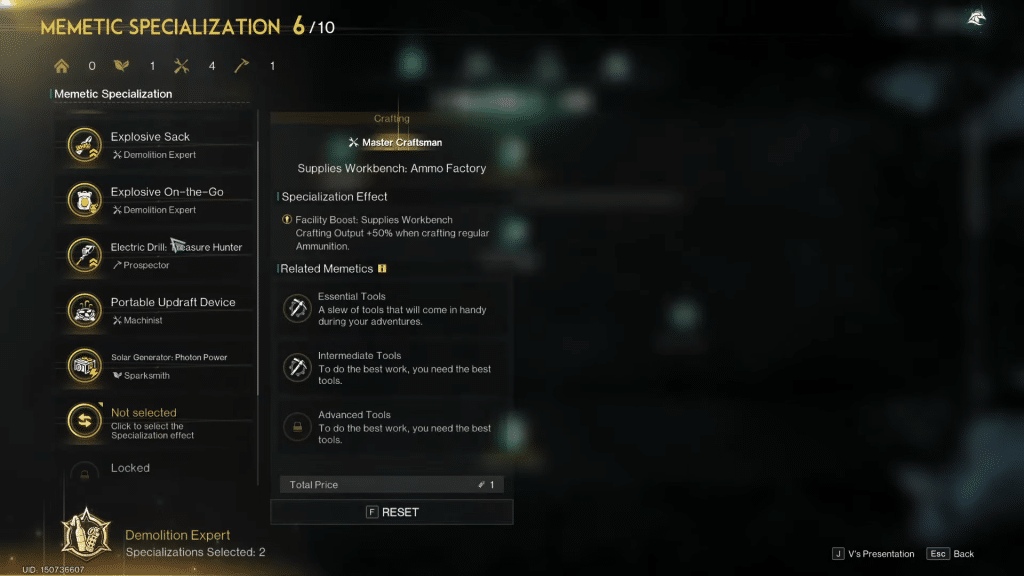
Before you can melt your first ore, you need a furnace. The Once Human Smelting Guide starts with unlocking the right tech. Head to your Cradle and open the Memetics tree—this is where all progression begins. From there, you’ll want to dive into the Infrastructure category. Your first goal is the “Smelting Essentials” node. Without it, no furnace, no fun. Once unlocked, you’ll be able to craft the Basic Furnace, which is your gateway to every other smelting recipe in the game.
To place a furnace, press B to enter the building menu, then look under the Production Processing category. Choose a good spot in your territory—ideally near storage and other workstations—and slap it down. It’s that simple. Got enough materials? Boom, you’re smelting. Need power? You’re jumping to the electric tier, which requires the “Electro Refining” node. Electric furnaces can’t run on logs—they run on wattage. So be ready with a generator or power system in place.
| Task | Action |
|---|---|
| Unlocking Furnace | Learn “Smelting Essentials” from Infrastructure in Memetics |
| Building Basic Furnace | Press B → Production Processing → Place Furnace in your base |
| Unlocking Electric Furnace | Learn “Electro Refining” from Infrastructure in Memetics |
| Powering Electric Furnace | Requires generator (solar, water wheel, eel setup recommended) |
| Furnace Quantity | Build multiple units to scale production and reduce bottlenecks |
The Once Human Smelting Guide recommends unlocking furnaces early in your playthrough. A furnace is more than just a crafting station—it’s your efficiency booster. Building multiple furnaces can massively increase throughput. You’re not limited to one. In fact, if you’re planning to scale up production or XP gain, building five or ten is not unusual. Just make sure they have space to breathe and storage to feed.
Even if you only plan on smelting occasionally, getting your furnace setup early prevents crafting bottlenecks later. Nothing stalls progress faster than needing just one more iron ingot with no furnace in sight. Trust the Once Human Smelting Guide—it’s better to overprepare here than scramble later.
Once Human Smelting: Types of Ores and Their Outputs
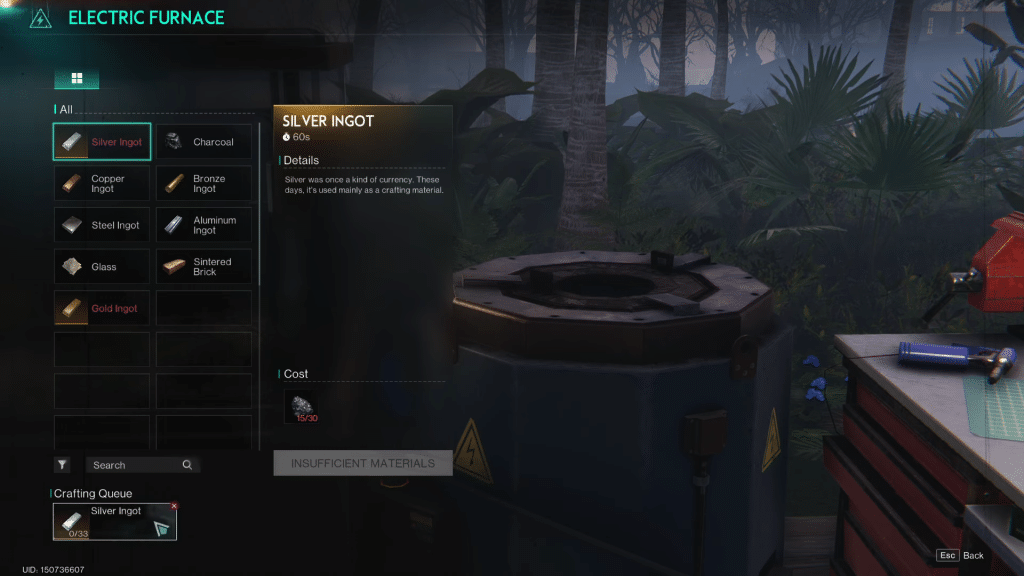
The Once Human Smelting Guide thrives on precision, and that begins with knowing what to feed your furnaces. You can’t smelt what you don’t mine, and you shouldn’t mine what you don’t need. This guide section covers every common ore you’ll encounter and exactly what you’ll get after smelting. From everyday iron to precious silver, each material has its own refining path and purpose.
Iron Ore becomes Iron Ingots. That’s your bread and butter for everything from bullets to barricades. Copper turns into Copper Ingots, which combine with Tin Ingots to create Bronze. Gravel smelts into Glass, which you’ll need for electronics, optics, and more. Aluminum, Gold, Silver, and Tungsten all have their high-end uses—but you won’t get to smelt some of them until you’ve unlocked special Memetics like Precious Metal Refining.
| Raw Material | Smelted Output | Requirements |
|---|---|---|
| Iron Ore | Iron Ingot | Basic Furnace |
| Copper Ore | Copper Ingot | Basic Furnace |
| Tin Ore | Tin Ingot | Basic Furnace |
| Copper + Tin | Bronze Ingot | Furnace, Bronze Recipe |
| Gravel | Glass | Furnace |
| Gravel (advanced) | Sintered Brick | High-Temperature Smelting Node |
| Logs | Charcoal | Furnace |
| Gold Ore | Gold Ingot | Precious Metal Refining Node |
| Silver Ore | Silver Ingot | Precious Metal Refining Node |
| Tungsten Ore | Tungsten Ingot | Basic/Electric Furnace |
| Aluminum Ore | Aluminum Ingot | Basic/Electric Furnace |
Some materials like Charcoal and Sintered Bricks don’t come from rocks at all. Toss Logs into your furnace and get Charcoal. Use Gravel with advanced smelting for bricks. This is where the Once Human Smelting Guide really shines—by showing you how each resource lines up with tech progression. As you unlock new smelting perks, outputs improve, and new recipes appear.
Memetic gating matters. If your Gold Ore isn’t turning into ingots, odds are you forgot to unlock the node. The Once Human Smelting Guide isn’t just about inputs and outputs—it’s about ensuring you have the skills to process what you’ve collected. Smelting is a chain reaction: mine smart, unlock right, smelt big.
Once Human Smelting: Fuel Types and Efficiency

Fire doesn’t burn forever—unless you’re fueling your furnace smartly. The Once Human Smelting Guide breaks down your power options. For basic furnaces, your main fuel is Charcoal. It’s reliable, stackable, and easy to mass-produce. Just burn Logs. That’s it. You’ll get Charcoal, which then fuels the rest of your operation.
For Electric Furnaces, fire gets replaced by volts. These need to be wired into your power grid. Solar panels are a good starting option, but they don’t always produce enough juice. Water wheels and Electric Eels offer far better output. Either way, each Electric Furnace consumes a fixed amount of power. Want ten furnaces running hot? You’d better have a generator army backing you up.
| Furnace Type | Fuel Source | Efficiency Notes |
| Basic Furnace | Charcoal | Made from Logs; consistent burn; stackable |
| Electric Furnace | Electric Power | Needs generator or grid setup |
| Generator Types | Solar, Waterwheel, Eel | Eels > Waterwheel > Solar for watt output |
| Power Consumption | ~5 per furnace | Switches prevent idle draw |
| Boost Options | Flame Frog Deviant | Increases smelting speed when placed near furnaces |
This is where switches come in. Turn off idle furnaces to save power and avoid phantom leaks. Some players forget this and end up with drained batteries and dead bases. The Once Human Smelting Guide recommends building switch panels and grouping furnaces by role. That way, you can toggle them on only when needed.
If you’re getting creative, deviants like the Flame Frog can actually boost furnace output when placed nearby. It’s like seasoning your forge with a little mutant spice. Smelting may seem like a grind, but managing your fuel sources is where the real optimization game begins.
Once Human Smelting: Smelter Upgrades and Automation
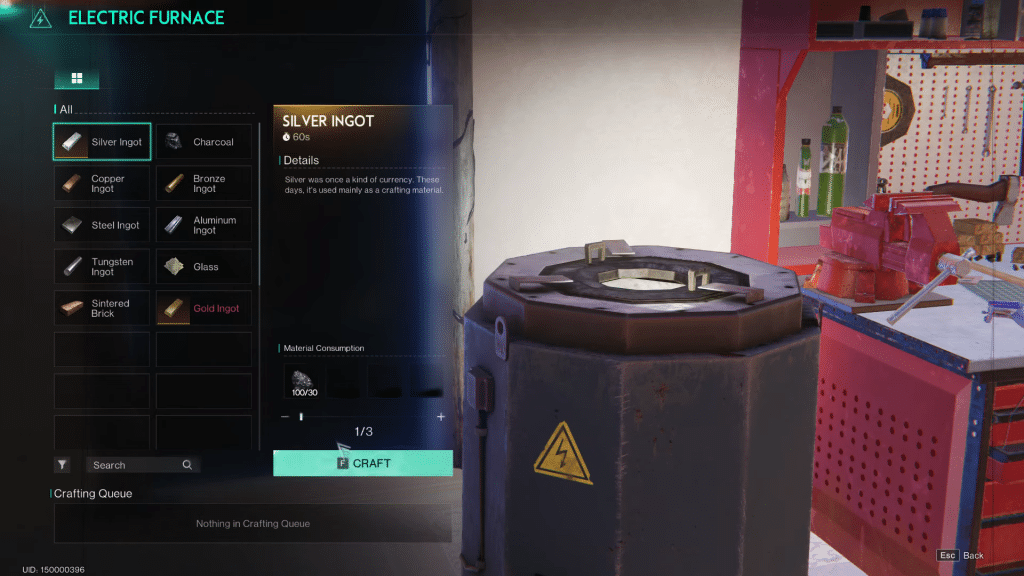
Smelting starts simple but grows with you. The Once Human Smelting Guide focuses not just on how to smelt—but how to smelt smarter. That begins with Memetic upgrades. Perks like Precision Refining and Efficiency Lover cut down costs and boost speed. Want double output on Sintered Bricks or Aluminum? Unlock Sintering and Electrolysis. These aren’t minor buffs. They double your returns and cut time in half.
Automation is trickier. Full item piping isn’t in the game yet, but you can still design efficient layouts. Keep chests close to your smelters. Group furnaces by material type. Use naming systems or signage if your base is big. The goal is flow—ore goes in, bars come out, and everything gets stored with minimal clicks. The Once Human Smelting Guide isn’t just about systems; it’s about smooth player habits.
| Upgrade/Automation Perk | Benefit | Notes |
| Efficiency Lover | Reduces power usage | Stackable with other perks |
| Precision Refining | Cuts time and cost for metal smelting | 30% gain |
| Sintering | Doubles Sintered Brick & Glass output | Requires advanced Memetic unlock |
| Electrolysis | Doubles Aluminum/Tungsten output | Late-game perk |
| Refundable Points | Reinvest into smelting temporarily | Use advanced tool unlocks to refund Meme Points |
With this tactic, smelting becomes more than just a background task—it’s a deliberate system you actively optimize. Set up your bases to support your rotating focus. When you’re in production mode, have kilns and furnaces running nonstop, with your Meme Points boosting throughput and yield. When you shift back to combat, leave those machines to work in the background while you rake in the results later. Think of it like running a side business in your main character’s downtime—except instead of passive income, you’re earning passive XP, upgrade materials, and gear components. You’re not just crafting; you’re automating an entire industrial chain that supports your long-term progression.
That’s the true beauty of smelting when done right. This section of the Once Human Smelting Guide turns the process from a basic utility into a full-blown XP and materials engine. With proper use of refundable Meme Points, smelting becomes a toggleable specialization that you can activate and deactivate depending on your current needs. And once it’s all humming along smoothly, your furnaces will keep churning out experience and materials even while you’re off slaying bosses, building outposts, or just taking a break. This isn’t just efficiency—it’s strategic dominance.
Once Human Smelting: Best Farming Spots for Ore

You can’t smelt without ore, and the Once Human Smelting Guide has you covered on where to dig. The best place to start farming Iron Ore is the Iron River. It’s loaded with big red and gray nodes and easy to find just north of Dayton Wetlands. If you’re below Level 21, bring backup. The mobs here don’t mess around.
Copper is easier. Just wander through Dayton Wetlands and swing your pickaxe at yellow nodes. Tin hides out in the Broken Delta, while Tungsten and Titanium show up late in places like Blackheart and Red Sands. Want Silver or Gold? Hit the riverbeds and start smashing glittery rocks—but only after unlocking Precious Metal Refining. Otherwise, you’re just collecting shiny paperweights.
| Material | Best Location | Tool Needed | Notes |
| Iron Ore | Iron River | Bronze Pickaxe | Rich nodes, hostile mobs |
| Copper Ore | Dayton Wetlands | Stone/Bronze Pickaxe | Easy access, early game |
| Tin Ore | Broken Delta | Bronze Pickaxe | Mid-tier zone |
| Tungsten Ore | Blackheart, Red Sands | Bronze/Drill | Late-game region |
| Titanium Ore | Various high-level zones | Drill recommended | Rare spawns |
| Silver/Gold | Riverbeds, late zones | Bronze Pickaxe | Requires Precious Metal Refining to smelt |
| Logs | Any forest | Axe | Used for Charcoal |
| Gravel | Everywhere | Any tool | Glass & Bricks; very common |
Logs for Charcoal? Easy—just chop trees. Every forest, every biome. Bring a decent axe and don’t stop until your inventory screams. Charcoal is the lifeblood of basic smelting, and since it’s stackable, there’s no such thing as too much.
Finally, don’t sleep on Gravel. It’s everywhere, and you’ll need it for Glass and Bricks. The Once Human Smelting Guide helps you farm smart, not hard. If you’re planning to mass-produce bullets or fortifications, get a Bronze Pickaxe and hit Iron River like it owes you money.
Once Human Smelting: Time-Space Backpack & Cross-Zone Smelting Logistics

In the late game of Once Human, managing production across zones becomes more than a matter of convenience—it’s a necessity. That’s where the Time-Space Backpack earns its keep. This high-level item lets you transfer tools, smelted bars, ores, and gear across different regions without physically running back and forth like a glorified pack mule. To use it effectively, equip the backpack and load it with smelting tools and raw materials you’ve mined from distant outposts. Then, head back to your main base or any smelting hub and offload. This remote logistics feature isn’t just a time-saver—it’s your ticket to synchronized cross-zone crafting, and the backbone of multi-base industrialization featured in the Once Human Smelting Guide.

Smelting in multiple bases becomes increasingly valuable when you’ve expanded your territory or are farming high-value materials like Starchrom or Sulfur. Set up furnaces in distant zones—especially near mining hotspots—and use each base as a node in your smelting network. This decentralized setup allows you to run several smelting operations simultaneously. Use the Time-Space Backpack to ferry finished products back to your main crafting area. If you set it up right, you’ll be collecting XP, metal bars, and gear from all corners of the map without ever leaving your lounge chair. The Once Human Smelting Guide emphasizes this layered logistics playstyle as essential for both efficient XP grinding and endgame preparation.

Speaking of XP, players constantly debate which loop—Salt or Charcoal—yields the best return. Salt is fast and relatively cheap to produce using juice or mineral water. However, it has a slightly lower XP-per-cycle yield compared to Charcoal. Charcoal, on the other hand, takes longer per unit but gives more XP per smelted item, especially when running 8 furnaces non-stop. Juice crafting as a feeder loop for Salt has a solid niche too, especially if you’re already farming Fruitwood Trees. Ultimately, Charcoal wins in passive gains over time, but Salt is superior for quick bursts of crafting XP.

When building your base around an XP loop, consider where your materials are coming from and how quickly you can process them. For Salt, you’ll want a base near water or fruit sources, with several juicers and kilns nearby. For Charcoal, proximity to forests and wood stockpiles is key. Layout matters too: keep your furnaces and storage containers close to minimize transfer time. Automate what you can, keep the fuel flowing, and remember—XP isn’t just a number; it’s the difference between surviving and dominating. Whether you’re leaning on Salt for fast returns or letting Charcoal smolder while you’re out fighting aberrants, having the right setup means you’re always gaining, even when you’re offline.

Once Human
Play Once Human on PC and mobile for free and join your friends in a post-apocalyptic world. Fight monsters, uncover secrets, and build your own territory in this multiplayer game. Engage in co-op battles, scavenge for resources, and unlock powerful abilities as you reclaim Earth from horrifying creatures.
Frequently Asked Questions (FAQ)
❓How do I smelt Gold and Silver in Once Human?
🟢You must unlock the Precious Metal Refining Memetic node to enable smelting recipes for Gold and Silver Ingots.
❓What’s the best fuel source for basic furnaces?
🟢Charcoal is the best and easiest fuel—just smelt any Logs in a basic furnace and stockpile.
❓Why isn’t my Electric Furnace working?
🟢Check if the Electric Furnace is connected to a generator or grid and if there’s enough power available. Also, ensure it’s not shut off via switch.
❓How do I get the most XP from smelting?
🟢Use multiple furnaces to mass-produce salt, charcoal, and juice. These provide steady passive XP even when AFK.
❓What perk boosts Aluminum and Tungsten output?
🟢The Electrolysis perk doubles the output from Aluminum and Tungsten ores when smelted.
